• Skip to main content

Society for the Neurobiology of Language

  • Home
    • SNL Account
    • Contact Us
  • Society
    • About SNL
    • Membership Information
    • Member-Initiated Virtual Activities
    • Society Organization
    • Student/Postdoc Representative
    • Code of Conduct
    • Society Journal
    • SNL Bylaws
    • Past Meetings
    • Past Board Members
    • Future Meetings & Proposals
  • Attend
    • Dates & Deadlines
    • Meeting Registration
    • Presenter Information
      • Speaker Instructions
      • Poster Information
      • Slide Information
    • Hotel Reservations
    • Accessibility Information
    • Venue Information
    • Visit Geneva
    • Educational Courses
    • Caregiver Support
    • Onsite Lunch
    • Networking
    • Travel Information
      • Transportation
      • Flight Discounts
      • International Travel
  • Program
    • Schedule of Events
    • Keynote Lectures
      • John O’Keefe
      • Yanchao Bi
      • Roy Hamilton
    • 2026 Awards Session
      • 2026 Distinguished Career Award Recipient
      • 2026 Neurobiology of Language Best Paper Award Recipients
      • 2026 Dissertation Award Recipient
      • 2026 Early Career Award Recipient
    • Symposia
    • Slide Sessions
    • Poster Sessions
    • Panel Session
    • “Lunch with a Professor” Trainee Event
    • Welcome Reception
    • Search Abstracts
  • Awards
    • Awards Information
    • Merit Awards
      • Award Winners
    • Distinguished Career Award
      • 2026 Distinguished Career Award Recipient
    • Neurobiology of Language Best Paper Award
      • 2026 Neurobiology of Language Best Paper Award Recipients
    • Dissertation Award
      • 2026 Dissertation Award Recipient
    • Early Career Award
      • 2026 Early Career Award Recipient
    • Past Award Recipients
  • Submissions
    • Symposium Submissions
    • Abstract Submissions
    • Submissions FAQ
  • Sponsor/Exhibit
    • 2026 Sponsors
    • 2026 Exhibitors
    • Sponsor / Exhibit Info

2025

2026 Exhibitors

2026 Exhibitors

© Genève Tourisme

Visit our Exhibitors in the Lise Girardin Hall

Exhibit Hours

Wednesday, September 30, 9:00 am - 6:30 pm
Thursday, October 1, 8:30 am - 6:30 pm
Friday, October 2, 8:30 am - 4:45 pm

Neurobiology of Language (The MIT Press)

The MIT Press commits daily to re-imagining what a university press can be. Known for bold design and creative technology, the Press advances knowledge by publishing significant works from leading scholars and researchers around the globe for the broadest possible access, impact, and audience. Committed to exploring new disciplines and modes of inquiry, the Press publishes 220+ new books a year and over 35 journals in a wide range of fields.

The Press is proud to partner with the Society for the Neurobiology of Language to publish Neurobiology of Language.

The MIT Press is also proud to sponsor the Neurobiology of Language Best Paper Award, recognizing outstanding research published in Neurobiology of Language.


Frontiers

Frontiers is a leading open access publisher committed to making scientific research accessible to all. Among its broad journal portfolio, the sections Speech and Language in Frontiers in Human Neuroscience, led by Prof. Corianne Rogalsky, and Neurobiology of Language in Frontiers in Language Sciences, led by Prof. Greig de Zubicaray, are part of rigorous, high quality publication venues that offer dedicated platforms to explore the neural and biological foundations of linguistic processes.

Visit our booth to learn more. Journal managers will be there and look forward to connecting with attendees.


Neurolite AG

Neurolite is a Switzerland-based company distributing and supporting high-quality medical systems for clinical neurology and related fields, with a strong focus on neurodiagnostics, neuromodulation, and neuroscience. Founded in 2011, Neurolite also serves as Swiss Authorized Representative (CH‑REP) for selected manufacturers and is committed to high professional and ethical standards in clinical practice, research support, and regulatory compliance.


Rogue Research Inc.

Rogue Research Inc. has been your partner in neuroscience research for over 20 years. As developers of the Brainsight® family of neuronavigation systems for non-invasive brain stimulation, we have helped make transcranial magnetic stimulation and now transcranial focused ultrasound (tFUS) more accurate and more reproducible while keeping it simple and effective. Our next-gen Elevate TMS device and companion robot offer better control of the pulse effect and improve reproducibility and efficiency for automated coil placement and mapping. We also offer Veterinary surgical navigation and robotic microsurgery equipment.

SNL Account Login


Forgot Password?
Create an Account

News

2026 Membership is Open - Renew Now!

Meeting Registration is Open.

Symposium Submissions are Closed.

Abstract Submissions are Closed.

Board of Directors Election is Closed.

See Dates & Deadlines for other important dates.

2025 Distinguished Career Award Recipient

2025 Distinguished Career Award Recipient

David Poeppel

The Society for the Neurobiology of Language is pleased to announce the 2025 Distinguished Career Award recipient: David Poeppel

The Distinguished Career Award is generously sponsored by Language, Cognition and Neuroscience.

Rhythms and algorithms: The temporal structure of linguistic experience

Saturday, September 13, 2025, 9:00 - 9:45 am, Elstad Auditorium

Speaker: David Poeppel, Max Planck Society, New York University

About David Poeppel

Professor David Poeppel is an internationally acclaimed cognitive neuroscientist who is currently Professor of Psychology and Neuroscience at New York University, and Director of the Max Planck Institute for Empirical Aesthetics in Frankfurt. David Poeppel is a leading figure in the field of auditory neuroscience and neuroscience of language and author of more than 230 articles in prestigious neuroscience and cognitive science journals.

This remarkable body of work is not merely a collection of scientific papers, but a transformative program of research for the neurobiology of language. Throughout his career, David Poeppel has advanced the theoretical and empirical understanding of the neural foundations of speech and language processing and, most importantly, how the two interface. His unwavering advocacy for establishing a robust linking hypothesis between linguistics and neuroscience stands as a defining cornerstone for the field. David Poeppel's work and his influential voice have been instrumental in the growing field of neurobiology of language. He played a pivotal role in the founding and the nurturing of the Society for Neurobiology of Language.

David Poeppel’s theoretical and empirical contributions are broad and profound. His Asymmetric Sampling in Time (AST) hypothesis has been foundational in revolutionizing our understanding of temporal integration and lateralization in auditory processing (Poeppel, 2003). Subsequently, the "dual-stream model" of speech processing, developed in tandem with Gregory Hickok (Hickok & Poeppel, 2007), shifted the paradigm by proposing that language processing unfolds along two interconnected neural pathways, ventral and dorsal, marking a definitive departure from the classical Wernicke-Lichtheim-Geschwind model toward a more sophisticated and empirically grounded understanding of language architecture. His collaboration with Anne-Lise Giraud (Giraud & Poeppel, 2012) produced an influential and biologically plausible framework for speech parsing in which cortical rhythms - theta and gamma in particular – encode the temporal structure of speech with remarkable precision. Together with his students and postdocs, David Poeppel carried out some of the most highly cited and impactful empirical studies in the neurobiology of language recognized for their conceptual innovation, experimental rigor, and elegance.

Last and not least, David Poeppel exemplifies the qualities of an exceptional mentor who has profoundly influenced the next generation of scientists, particularly women. He has supervised over 30 PhD students and more than 40 postdocs – many having a significant presence in the field of cognitive neuroscience at large – and inspired countless others through summer courses, engaging lectures, online debates and podcasts.


SNL Account Login


Forgot Password?
Create an Account

News

2026 Membership is Open - Renew Now!

Meeting Registration is Open.

Symposium Submissions are Closed.

Abstract Submissions are Closed.

Board of Directors Election is Closed.

See Dates & Deadlines for other important dates.

2025 Exhibitors

2025 Exhibitors

© Genève Tourisme

Visit our Exhibitors in the Field House

Exhibit Hours

Friday, September 12, 8:30 am - 7:45 pm
Saturday September 13, 8:30 am - 6:30 pm
Sunday, September 14, 8:30 am - 12:30 pm

Rogue Research Inc. - Booth 1

Rogue Research Inc. has been your partner in neuroscience research for over 20 years. As developers of the Brainsight® family of neuronavigation systems for non-invasive brain stimulation, we have helped make transcranial magnetic stimulation and now transcranial focused ultrasound (tFUS) more accurate and more reproducible while keeping it simple and effective. Our next-gen Elevate TMS device and companion robot offer better control of the pulse effect and improve reproducibility and efficiency for automated coil placement and mapping. We also offer Veterinary surgical navigation and robotic microsurgery equipment.


Neurobiology of Language (The MIT Press) - Booth 2

The MIT Press commits daily to re-imagining what a university press can be. Known for bold design and creative technology, the Press advances knowledge by publishing significant works from leading scholars and researchers around the globe for the broadest possible access, impact, and audience. Committed to exploring new disciplines and modes of inquiry, the Press publishes 220+ new books a year and over 35 journals in a wide range of fields.

The Press is proud to partner with the Society for the Neurobiology of Language to publish Neurobiology of Language.

University of South Carolina Center for the Study of Aphasia Recovery - Booth 3

The Center for the Study of Aphasia Recovery (C-STAR) is a multi-disciplinary, NIH-funded research center in the Arnold School of Public Health at the University of South Carolina dedicated to advancing aphasia recovery through neuroimaging, brain stimulation, clinical trials, and community outreach.

Brain Vision LLC - Booth 4

Brain Vision partners with scientists and institutions at the forefront of neurophysiological research, helping them select and effectively utilize state-of-the-art hardware and software from the world’s leading manufacturers of EEG, fNIRS, non-invasive brain stimulation, peripheral physiology, experience sampling, eye tracking, and other solutions. We deliver personalized, full-service support to further our primary goal of assisting our customers as they strive to attain their maximum research potential and advance the field of neuroscience. Connect with our Scientific Consultants at or +1.877.EEG.4MRI (+1.877.334.4674).
 

NCCR Evolving Language - Booth 5

The Swiss National Centre of Competence in Research (NCCR) Evolving Language is a nationwide interdisciplinary research consortium bringing together research groups from the humanities, from language and computer science, the social sciences, and the natural sciences at an unprecedented level. Together, we aim at solving one of humanity’s great mysteries: What is language? How did our species develop the ca­pa­city for linguistic expression, for processing language in the brain, and for con­sist­ently passing down new variations to the next generation? How will our capacity for language change in the face of digital com­munication and neuroengineering?
 

ANT North America Inc - Booth 6

ANT Neuro is a technology leader in high-density EEG, offering state of the art systems tailored to the demanding requirements of cutting-edge research. ANT's eego line of EEG devices and new saline-based EEG nets enable efficient collection of high-density EEG data (8 – 256 channels) either at rest or during movement. ANT offers specialized EEG caps for study of neonates and infants.


SNL Account Login


Forgot Password?
Create an Account

News

2026 Membership is Open - Renew Now!

Meeting Registration is Open.

Symposium Submissions are Closed.

Abstract Submissions are Closed.

Board of Directors Election is Closed.

See Dates & Deadlines for other important dates.

Neurobiology of Language Best Paper Award 2025

Neurobiology of Language Best Paper Award 2025

Saturday, September 13, 2025, 9:45 – 10:00 am, Elstad Auditorium

The Editors-in-Chief of the society’s journal, Neurobiology of Language, have selected two top papers from Volume 5 (2024) to receive the Best Paper Award and Honorable Mention for the current year. Both awardees will be honored on stage; the Best Paper awardee will give a short talk.

Best Paper Award

Richard Antonello, Alexander Huth

Predictive Coding or Just Feature Discovery? An Alternative Account of Why Language Models Fit Brain Data
Neurobiology of Language (2024) 5 (1): 64–79

Honorable Mention

Katie R. Jobson, Linda J. Hoffman, Athanasia Metoki, Haroon Popal, Anthony S. Dick, Jamie Reilly, Ingrid R. Olson

Language and the Cerebellum: Structural Connectivity to the Eloquent Brain
Neurobiology of Language (2024) 5 (3): 652–675 

SNL Account Login


Forgot Password?
Create an Account

News

2026 Membership is Open - Renew Now!

Meeting Registration is Open.

Symposium Submissions are Closed.

Abstract Submissions are Closed.

Board of Directors Election is Closed.

See Dates & Deadlines for other important dates.

Sponsors & Exhibitors Application

Sponsors & Exhibitors Application

© Genève Tourisme

SNL Account Login


Forgot Password?
Create an Account

News

2026 Membership is Open - Renew Now!

Meeting Registration is Open.

Symposium Submissions are Closed.

Abstract Submissions are Closed.

Board of Directors Election is Closed.

See Dates & Deadlines for other important dates.

2026 Sponsors

2026 Sponsors

© Genève Tourisme

The Society for the Neurobiology of Language thanks the following sponsors for their support of our 2026 meeting.


Major Sponsor

National Institutes of Health

The Society for Neurobiology of Language gratefully acknowledges the generous support of the National Institutes of Health through R13 grant #DC011445. This funding plays a vital role in enhancing the SNL Annual Meeting by supporting speaker travel, materials and supplies, publication and marketing, audiovisual needs, sign language interpreting services, and more. Thanks to this support, the meeting is more accessible and impactful for a diverse range of attendees. We are deeply appreciative of the NIH's continued commitment to the success and accessibility of the SNL community.


Meeting Sponsors

The State of Geneva & Geneva Convention Bureau

The State of Geneva is the cantonal public administration of the Republic and Canton of Geneva. It implements public policies and provides a wide range of services to the population, businesses and institutions.
Located at the heart of an internationally renowned region, Geneva is home to numerous international organisations, diplomatic missions, NGOs, leading academic and research institutions, as well as a dynamic and innovative economy.
The State of Geneva actively contributes to the canton’s economic, social and cultural development and supports Geneva’s position as a leading international hub for cooperation, knowledge and innovation.

The Geneva Convention Bureau is a passionate team with 30 years of experience in selling Geneva as a congress destination. They provide in-depth knowledge of the meeting industry with a focus on customized solutions and proactive support from bid preparation through to the end of your congress. Working independently, they put you in touch with their extensive network of trusted partners, suppliers and local authorities, opening the doors to our destination. Their unique expertise, listening skills and enthusiasm ensure smooth operations and memorable experiences for conference organizers and participants alike.

Swiss National Science Foundation (SNSF)

Swiss National Science Foundation (SNSF)

Based on a government mandate, the Swiss National Science Foundation (SNSF) supports scientific research in all academic disciplines. At the end of 2025, the SNSF was funding around 6200 projects involving over 23,000 researchers, making the SNSF the leading Swiss organisation for the promotion of scientific research.

By awarding public research money based on the principle of competition, the SNSF contributes to the high quality of research in Switzerland. In close collaboration with higher education institutions and other partners, the SNSF strives to create the best possible conditions for the development and global interconnectedness of Swiss research. It pays particular attention to the promotion of early-career researchers. In addition, it accepts evaluation mandates to help ensure that large third-party-funded research initiatives deliver the highest scientific quality.

University of Geneva (UNIGE)

University of Geneva (UNIGE)

Founded in 1559, the University of Geneva (UNIGE) enjoys worldwide recognition and ranks amongst the top 100 best universities in the world. A polyvalent institution, it fosters the emergence of inter- and multidisciplinary fields in both research and teaching. It constantly strengthens its links with international Geneva, whilst contributing to the cultural, social and economic development of the region, notably through the promotion of research and its expertise in a wide range of fields.

The UNIGE is also:
19,078 students, 62% of whom are women
9 Faculties and 13 interfaculty centres and institutes
4,645 employees (FTE)
613 study courses
430 partner institutions in 73 countries
175 joint projects with internationally renowned universities
15 partnership agreements with major international and non-governmental organizations

Just like the city of Geneva itself, the University enjoys a strong international reputation, both for the quality of its research (it ranks among the top institutions among the League of European Research Universities) and the excellence of its education. This acclaim has been won in part due to its strong ties to many national and international Geneva-based organizations, such as the World Health Organization, the International Telecommunications Union, the International Committee of the Red Cross, and the European Organization for Nuclear Research.


Gold Sponsors


Neurobiology of Language (The MIT Press)

The MIT Press commits daily to re-imagining what a university press can be. Known for bold design and creative technology, the Press advances knowledge by publishing significant works from leading scholars and researchers around the globe for the broadest possible access, impact, and audience. Committed to exploring new disciplines and modes of inquiry, the Press publishes 220+ new books a year and over 35 journals in a wide range of fields.

The Press is proud to partner with the Society for the Neurobiology of Language to publish Neurobiology of Language.

The MIT Press is also proud to sponsor the Neurobiology of Language Best Paper Award, recognizing outstanding research published in Neurobiology of Language.

Faculty of Medicine at the University of Geneva

The Faculty of Medicine is a leader in neuroscience, genetics and transplantation, among others. It is also committed to teaching and research in global health. Its fundamental research, of international level, as well as its close association with the largest hospital complex in Switzerland, the University Hospitals of Geneva (HUG), give it all the assets to develop a major axis of translational research, in coordination with the other actors of the Lake Geneva region.

NCCR Evolving Language

The Swiss National Centre of Competence in Research (NCCR) Evolving Language is a nationwide interdisciplinary research consortium bringing together research groups from the humanities, from language and computer science, the social sciences, and the natural sciences at an unprecedented level. Together, we aim at solving one of humanity’s great mysteries: What is language? How did our species develop the ca­pa­city for linguistic expression, for processing language in the brain, and for con­sist­ently passing down new variations to the next generation? How will our capacity for language change in the face of digital com­munication and neuroengineering?


Silver Sponsors

Department of Basic Neurosciences of the Faculty of Medicine

The Department of Basic Neurosciences of the Faculty of Medicine is at the heart of the neuroscience community in Geneva, with a core team of 14 research groups covering two campuses - the University Medical Centre (CMU) and the Campus Biotech. The Department is part of the UNIGE Neurocentre and some of its researchers are members of the Synapsy Centre for Mental Health. The research teams are exploring brain function, from molecules to neurons and circuits, using cellular and animal models as well as human subjects, with the long-term aim of understanding the neural bases of human behavior in health and disease.

Elsevier-Cognition Journal

Cognition (Elsevier)

Elsevier is proud to sponsor the coffee break on Wednesday, September 30, from 11:00-11:30 a.m. in Wangari Maathai.

Elsevier’s journal Cognition is an international journal that publishes theoretical and experimental papers on the study of the mind. It covers a wide variety of subjects concerning all the different aspects of cognition, ranging from experimental studies of behavior and of the brain to formal analysis.


Bronze Sponsors

Neurolite

Neurolite is a Switzerland-based company distributing and supporting high-quality medical systems for clinical neurology and related fields, with a strong focus on neurodiagnostics, neuromodulation, and neuroscience. Founded in 2011, Neurolite also serves as Swiss Authorized Representative (CH‑REP) for selected manufacturers and is committed to high professional and ethical standards in clinical practice, research support, and regulatory compliance.

Neuroswiss AG

Neuroswiss AG, your partner for EEG and ENMG equipment.

Frontiers

Frontiers is a leading open access publisher committed to making scientific research accessible to all. Among its broad journal portfolio, the sections Speech and Language in Frontiers in Human Neuroscience, led by Prof. Corianne Rogalsky, and Neurobiology of Language in Frontiers in Language Sciences, led by Prof. Greig de Zubicaray, are part of rigorous, high quality publication venues that offer dedicated platforms to explore the neural and biological foundations of linguistic processes.

Visit our booth to learn more. Journal managers will be there and look forward to connecting with attendees.

Rogue Research

Rogue Research has been your partner in neuroscience research for over 25 years. We offer the Brainsight® family of neuronavigation systems for non-invasive brain stimulation, our next generation TMS device (Elevate TMS) as well as our Brainsight robot to place and hold the TMS coil or TUS transducer automatically. Our integrated system is controllable externally via TCP to enable real-time experiments controlling all components. We also offer Veterinary surgical navigation and robotic microsurgery equipment.

Faculty of Psychology and Science of Education (FPSE) at the University of Geneva

The Faculty of Psychology and Science of Education (FPSE) traces its roots back to the 1912 creation of the historic Institut Jean-Jacques Rousseau before officially becoming a faculty in 1975. Its primary mission is to produce and transmit knowledge regarding human behavior, development, and the limits and possibilities of human educability. Structurally, the faculty encompasses the Section of Psychology, the Section of Educational Sciences, and the TECFA unit specializing in educational and learning technologies.

Department of Psychology and Speech Therapy of FPSE at the University of Geneva

The Department of Psychology and Speech Therapy of FPSE at the University of Geneva boasts a remarkably diverse research environment, bridging traditional mind sciences with modern social, developmental, and affective applications. Its laboratories explore cutting-edge fields such as cognitive neuroscience, climate change psychology, lifespan development, and the history of the discipline. Crucially, the section features a dedicated psycholinguistics and speech therapy research unit that investigates how the brain processes language and develops targeted therapies for speech and communication disorders.

SNL Account Login


Forgot Password?
Create an Account

News

2026 Membership is Open - Renew Now!

Meeting Registration is Open.

Symposium Submissions are Closed.

Abstract Submissions are Closed.

Board of Directors Election is Closed.

See Dates & Deadlines for other important dates.

Accessibility Information

Accessibility Information

©Switzerland Tourism, Nicola FuererJan Geerk

Venue Accessibility

We are committed to making our conference accessible to all participants. The Centre International de Conférences de Genève (CICG) is fully wheelchair accessible, with designated spaces for wheelchair users available in the auditorium. Lifts (elevators) are available throughout the conference centre, allowing access between all levels used for the meeting.

The FCBG, where the welcome reception will take place, is also wheelchair accessible. The reception area is accessible to persons with reduced mobility, with an elevator available from the main entrance on Level 0 to the 1st floor, where the reception will take place.

There are accessible toilets in both venues, specifically equipped for people with reduced mobility, are available on the relevant floor.

A nursing room will be available upon request and may also be used as a low-stimulation room. Please ask at the registration desk.

When registering, you will have the opportunity to indicate any specific accommodations you may need (e.g., a nursing or low-stimulation space), as well as any dietary restrictions. To accommodate a variety of dietary needs, vegan, gluten-free, and regular (meat and dairy) options will be available for lunch and the reception. This information will help us ensure that we are prepared to meet your needs. We will also do our best to accommodate any additional requests whenever possible.

Illness

For the safety and well-being of all attendees at our conference, we kindly ask that you adhere to the following guidelines regarding COVID-19 or any illness: Please do not attend if you are experiencing symptoms such as fever, cough, sore throat, shortness of breath, loss of smell or taste, vomiting, or diarrhea. Throughout the conference, please maintain good hand hygiene by washing your hands frequently or using hand sanitizer provided. Free masks will be available at the registration table. Please respect individual comfort levels regarding personal space and masking. Thank you for working together to ensure a safe and enjoyable experience.

If you have any comments or questions about accessibility of SNL, please contact SNL

SNL Account Login


Forgot Password?
Create an Account

News

2026 Membership is Open - Renew Now!

Meeting Registration is Open.

Symposium Submissions are Closed.

Abstract Submissions are Closed.

Board of Directors Election is Closed.

See Dates & Deadlines for other important dates.

Keynote Lecture: Carol Padden

Keynote Lecture: Carol Padden

©Genève Tourisme, Loris von Siebenthal

Carol Padden

Carol Padden

The multimodal potential of human languages

Sunday, September 14, 2025, 9:00 – 10:00 am, Elstad Auditorium

Speaker: Carol Padden, PhD., University of California, San Diego

The body of work on spoken language, gesture and sign language are starting to converge around understanding multimodality in language. A large part of what has driven this research in multimodality is a richer description of the diversity of sign languages around the world. Sign languages range from the very large, such as national sign languages that are used in different parts of the world such as American Sign Language but also sign languages in populous areas like India and throughout Africa. Sign languages can also be small or very small, such as those that have recently emerged in villages and families. Often described as “deaf sign languages”, the focus has been on how deafness drives the use and emergence of languages that rely on the visual modality. Less recognized is the role of hearing signers in sign language emergence and persistence. As members of the same communities where sign languages are used, their participation sustains language learning and use across generations of signers. Hearing speakers can and do use sign language, adding to the broad repertoire of expressive possibilities in human languages. This talk will discuss cases of sign language emergence around the world, ranging from families to villages and regions, which, taken together, demonstrate the inherently multimodal flexibility of human language.

About Carol Padden

Carol Padden joined the faculty at University of California, San Diego in the Department of Communication in 1983, after earning a Ph.D. from the university’s Department of Linguistics. She holds the Sanford I. Berman Chair in Language and Human Communication and has served as associate dean and faculty equity advisor in the School of Social Sciences from 2008 to 2013. In 2014, she became the Dean and leads a dynamic and highly ranked School spanning 11 academic departments and 5 interdisciplinary programs. Padden’s areas of research include language emergence and sign language structure. With her husband, Professor Tom Humphries, she is a co-author of 2 textbooks on American Sign Language and 2 books on deaf communities in the US. She is a Fellow of the Linguistic Society of America and the American Academy for the Advancement of Science. In 2010, she received a MacArthur Fellowship.

SNL Account Login


Forgot Password?
Create an Account

News

2026 Membership is Open - Renew Now!

Meeting Registration is Open.

Symposium Submissions are Closed.

Abstract Submissions are Closed.

Board of Directors Election is Closed.

See Dates & Deadlines for other important dates.

Keynote Lecture: Duane Watson

Keynote Lecture: Duane Watson

©Genève Tourisme, Loris von Siebenthal

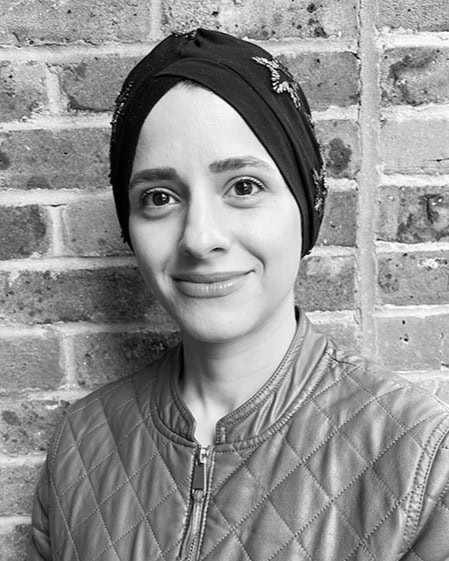
Duane Watson

Duane WatsonUnderstanding the effect of language experience on language comprehension
Sunday, September 14, 2025, 1:45 – 2:45 pm, Elstad Auditorium

Speaker: Duane Watson, PhD, Vanderbilt University

The language we experience every day is critical for language learning and vocabulary growth in children, as well as language use in adults. However, psycholinguists have traditionally measured language experience by aggregating over populations. In this talk, I will share experimental evidence suggesting that an individual’s specific experience with language is linked to their preferences for different constructions. By using natural language processing tools to analyze the linguistic properties of participants’ favorite websites, we compare effects of internet reading habits to effects of cognitive factors such as working memory and inhibitory control on reading difficulty.  Consistent with statistical models of language comprehension, we find that adults’ everyday language experiences, from digital media to linguistic dialects, predict language processing.

About Duane Watson

Duane Watson is the Vice Provost for Special Initiatives and the Frank W. Mayborn Chair of Psychology and Human Development at Vanderbilt University.  He received his doctorate in Cognitive Science from M.I.T.  Watson began his faculty career at the University of Illinois at Urbana-Champaign in 2005 and moved to the Department of Psychology and Human Development at Vanderbilt University in 2016.   Watson's research focuses on the cognitive processes that underlie human language production and comprehension. His most recent work explores the role of language experience on individual differences in language use. His research has been funded by both the National Institute of Health and the National Science Foundation.  Watson is a co-founder of the SPARK Society, a scholarly organization that supports historically marginalized groups in the brain and cognitive sciences.

SNL Account Login


Forgot Password?
Create an Account

News

2026 Membership is Open - Renew Now!

Meeting Registration is Open.

Symposium Submissions are Closed.

Abstract Submissions are Closed.

Board of Directors Election is Closed.

See Dates & Deadlines for other important dates.

Keynote Lecture: Fatemeh Geranmayeh

Keynote Lecture: Fatemeh Geranmayeh

©Genève Tourisme, Loris von Siebenthal

Fatemeh Geranmayeh

Fatemeh Geranmayeh

From models of language recovery after stroke to Large Language Models in stroke

Saturday, September 13, 2025, 2:00 – 3:00 pm, Elstad Auditorium

Speaker: Dr. Fatemeh Geranmayeh, Imperial College London

‘Language’ is a uniquely human faculty that not only distinguishes us from other species but also holds profound significance for individuals' identity, autonomy, and quality of life. Following a stroke, impairments in speech production and language comprehension are among the most devastating consequences, associated with poorer outcomes across virtually all post-stroke functional and quality of life measures. Understanding the organisation and recovery of speech and language has thus been a major research priority since the 19th-century foundational work of classical neuroanatomical figures.

Yet, studying language recovery remains challenging. Recovery trajectories are notoriously heterogeneous and unfold along multidimensional axes of language function. Moreover, because language function, and the broader neural architecture that supports it, is not localised but distributed, we must adopt a truly whole-brain approach to map recovery mechanisms effectively.

This calls for a reconceptualisation of how we measure and model speech production and language in the brain, particularly in the context of recovery. Whole-brain health approaches, coupled with scalable, high-resolution assessments of cognition and language, are essential. Digital cognitive tools now enable remote, longitudinal testing of language and cognition, and when combined with recent advances in automatic speech recognition, natural language processing, and large language models, promise to transform both our scientific understanding and research translation.

In this keynote, I will trace a scientific arc from traditional models of post-stroke language recovery to emerging applications of digital and computational technologies. I will discuss how integrating large-scale speech data with modern machine learning approaches may allow us not only to better characterise
language recovery but also to democratise research participation and increase equity in neuroscience.

About Fatemeh Geranmayeh

Dr. Fatemeh Geranmayeh is a Clinician Scientist at the Department of Brain Sciences, Imperial College London. She leads the Clinical Language & Cognition Group, focusing on post-stroke language and cognitive impairments, vascular dementia, and the deep cognitive and clinical phenotyping of patients with cerebrovascular disease. Dr. Geranmayeh's academic journey began in 2004 when she earned a First Class Honours BSc degree in Neuroscience, receiving the Goldberg-Schachmann and Freda Becker Award from the University of London. She completed her medical degree in 2006 and pursued a PhD under the mentorship of the late Professor Richard Wise, which she completed in 2015.

Her research employs advanced neuroimaging techniques to investigate the neural mechanisms underlying speech production recovery following acute stroke. In 2022, she initiated the IC3 study, a multimodal clinical study to track longitudinal cognitive and language recovery post-stroke, incorporating novel blood biomarkers, brain imaging, and automated speech recognition and cognitive assessments.

In addition to her research, Dr. Geranmayeh is a practicing neurology consultant, running a specialist vascular cognitive clinic, and co-Director of the Alzheimer's Society VIDA (Vascular and Immune contributors to DementiA) Doctoral Training Centre.


Keynote Sponsor:


SNL Account Login


Forgot Password?
Create an Account

News

2026 Membership is Open - Renew Now!

Meeting Registration is Open.

Symposium Submissions are Closed.

Abstract Submissions are Closed.

Board of Directors Election is Closed.

See Dates & Deadlines for other important dates.

  • Page 1
  • Page 2
  • Page 3
  • Page 4
  • Go to Next Page »

©2026 Society for the Neurobiology of Language #SNL2026