• Skip to main content

Society for the Neurobiology of Language

  • Home
    • SNL Account
    • Contact Us
  • Society
    • About SNL
    • Membership Information
    • Member-Initiated Virtual Activities
    • Society Organization
    • Student/Postdoc Representative
    • Code of Conduct
    • Society Journal
    • SNL Bylaws
    • Past Meetings
    • Past Board Members
    • Future Meetings & Proposals
  • Attend
    • Dates & Deadlines
    • Meeting Registration
    • Presenter Information
      • Poster Information
      • Slide Information
    • Hotel Reservations
    • Accessibility Information
    • Venue Information
    • Visit Geneva
    • Educational Courses
    • Caregiver Support
    • Onsite Lunch
    • Networking
    • Travel Information
      • Transportation
      • Flight Discounts
      • International Travel
  • Program
    • Schedule of Events
    • Keynote Lectures
      • John O’Keefe
      • Yanchao Bi
      • Roy Hamilton
    • 2026 Awards Session
      • 2026 Distinguished Career Award Recipient
      • 2026 Early Career Award Recipient
      • 2026 Dissertation Award Recipient
    • Symposia
    • Slide Sessions
    • Poster Sessions
    • Panel Session
    • Welcome Reception
    • Search Abstracts
  • Awards
    • Awards Information
    • Merit Awards
      • Award Winners
    • Early Career Award
      • 2026 Early Career Award Recipient
    • Dissertation Award
      • 2026 Dissertation Award Recipient
    • Distinguished Career Award
      • 2026 Distinguished Career Award Recipient
    • Past Award Recipients
  • Submissions
    • Symposium Submissions
    • Abstract Submissions
    • Submissions FAQ
  • Sponsor/Exhibit
    • 2026 Sponsors
    • 2026 Exhibitors
    • Sponsor / Exhibit Info

Keynote

Keynote Lecture

Keynote Lecture

©Genève Tourisme, Loris von Siebenthal

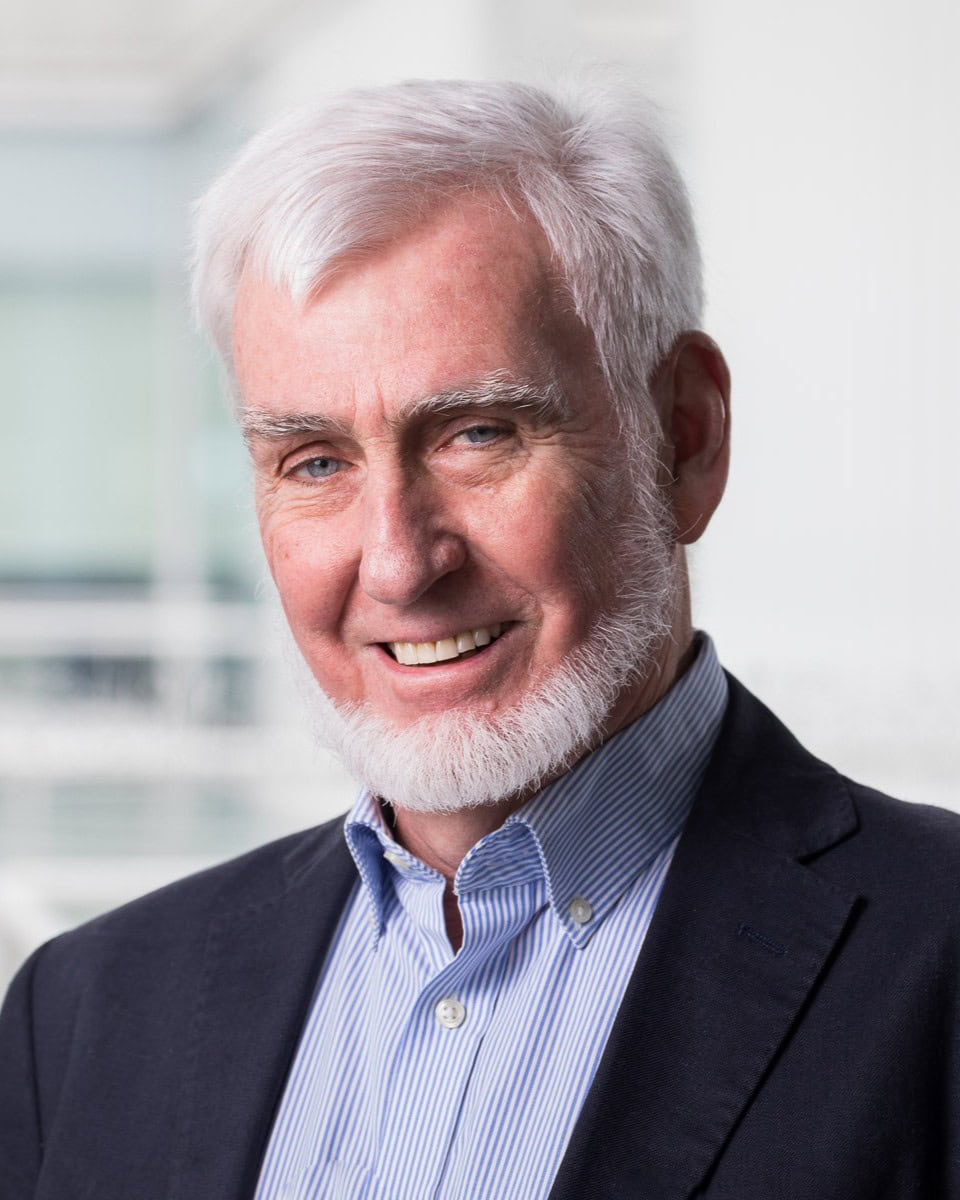
John O’Keefe

What the Rodent Hippocampus Can Tell Us About Spatial Language

Speaker: John O'Keefe, PhD, University College London

On the assumption that language did not appear de novo with humans, we can ask whether our current understanding of brain function in lower mammals provides us with clues about the biological underpinnings of some aspects of language. One fruitful approach is suggested by our understanding of the mechanisms of spatial memory and navigation instantiated in the rodent hippocampus. We know from work on patients with unilateral hippocampal lesions that the left hippocampus is involved in memory for narratives and other verbal material.  In vector grammar theory, I explore how our current models of the rodent cognitive map suggest how processes there might underpin some aspects of grammar, in particular those carried by the prepositions, and the case structure of some languages. The hippocampal cognitive map provides the animal with a cognitive representation of its environment which supports three different aspects of spatial behavior: it identifies the animal’s current location in a familiar environment, the contents of places including rewards and punishments, and provides a mechanism for supporting flexible navigation from any place in the environment to any goal location. An important feature of these representations and capacities is the use of vector fields in their construction, retrieval, and manipulation and it is this feature I will use to think about human spatial language. I will argue that the meanings of most of the prepositions which are common features of most languages can be represented by aspects of vector fields. To take one example, the prepositional phrase “ from place x to place y” can be represented by the summation of two vector fields, the “ from” by a divergent vector field with all the vector tails originating in x, and the “to” by a convergent vector field with all its vector heads terminating in location y. Furthermore, the case structure of many languages lends itself to a similar analysis with different cases denoting different relationships to the vector field. To take an example, in Latin the ablative case identifies the object of the preposition “from”, and therefore would identify the name of the place or object at the origin of a divergent vector field while the accusative case represents the object of the preposition “to” and would similarly identify the name of the place or object at the head of a convergent vector field. Finally, I acknowledge that spatial language is only a small part of language and will say a few brief words about the extension of the basic spatial language to other non-spatial realms by the use of metaphors in the manner of George Lakoff.

About John O'Keefe

John O’Keefe FRS is Professor of Cognitive Neuroscience at the Sainsbury Wellcome Centre, a member of the Cell and Developmental Biology department at University College London, and a Principal Research Fellow of the Wellcome Trust. He was awarded the Nobel Prize in Physiology and Medicine in 2014.

He is interested in the role of the hippocampal formation of the temporal lobe in spatial and episodic memory, and navigation. He discovered that hippocampal pyramidal cells in the rat respond selectively to an animal’s spatial location and proposed that these ‘place cells’, and the hippocampal system more generally, functions as a cognitive map underpinning spatial localization and navigation. In 1993, he discovered phase precession, the coding of location by the timing of place cell spiking relative to the hippocampal theta rhythm, still the best evidence for neural coding by spike timing. With Neil Burgess and Eleanor Maguire, he showed how the cognitive map theory could be used to understand the role of the human hippocampus in navigation and episodic memory.

In current work, his group is studying how the cognitive map supports flexible navigation to a goal in a familiar environment using vector fields. He is also investigating how this vector field model can be used to underpin some aspects of spatial language with particular attention to prepositions and case endings.
SNL Account Login


Forgot Password?
Create an Account

News

2026 Membership is Open - Renew Now!

Meeting Registration is Open.

Symposium Submissions are Closed.

Abstract Submissions are Closed.

Board of Directors Election is Closed.

See Dates & Deadlines for other important dates.

Keynote Lecture

Keynote Lecture

©Genève Tourisme, Loris von Siebenthal

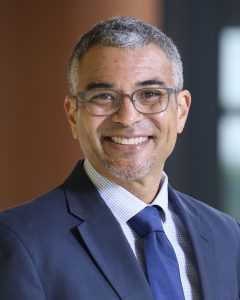
Roy Hamilton

Stimulating Conversations: Using Noninvasive Neuromodulation Approaches to Characterize the Language System and Treat Aphasia

Speaker: Roy Hamilton, MD, MS, FAAN, FANA

In this talk, Dr. Roy H. Hamilton will discuss the use of noninvasive brain stimulation as a tool for both characterizing and treating aphasia, with a particular focus on transcranial magnetic stimulation (TMS). The lecture will highlight the dual role of neuromodulation techniques like TMS in translational cognitive neuroscience, serving both as a therapeutic intervention and as an experimental probe of brain plasticity. While multiple brain regions have been targeted with TMS for the treatment of aphasia, this talk will focus primarily on converging evidence demonstrating that inhibitory TMS applied to the right inferior frontal gyrus, particularly the pars triangularis, can improve language performance in individuals with chronic post stroke aphasia. Dr. Hamilton will then discuss emerging approaches aimed at better understanding the factors that predict individual responsiveness to neuromodulation interventions, including insights from network neuroscience and machine learning–based models. He will conclude by addressing ongoing challenges and future opportunities for moving noninvasive brain stimulation for aphasia from experimental promise toward reliable, personalized clinical application.

About Roy Hamilton

Roy Hamilton, MD, MS, FAAN, FANA, is a professor in the departments of Neurology with secondary appointments in Psychiatry, and Physical Medicine and Rehabilitation at the University of Pennsylvania. He directs the Laboratory for Cognition and Neural Stimulation (LCNS) and Brain Stimulation, Translation, Innovation, and Modulation (brainSTIM) Center. A leading expert in noninvasive neuromodulation, he uses brain stimulation, neuroimaging, and behavioral methods to study functional plasticity in healthy and injured brains. His research principally focuses on improving aphasia and other cognitive deficits associated with neurological disorders. Continuously funded by US federal grants and foundation awards since 2008, Dr. Hamilton has received numerous accolades for excellence in research, education, and civic engagement, including the Norman Geschwind Prize in Behavioral Neurology, Leonard Berwick Memorial Teaching Award for bridging basic science and clinical education, American Neurological Association Audrey Penn Lectureship, and the American Academy of Neurology H. Houston Merritt Lectureship Award for excellence in clinically relevant research and education.

SNL Account Login


Forgot Password?
Create an Account

News

2026 Membership is Open - Renew Now!

Meeting Registration is Open.

Symposium Submissions are Closed.

Abstract Submissions are Closed.

Board of Directors Election is Closed.

See Dates & Deadlines for other important dates.

Keynote Lecture

Keynote Lecture

©Genève Tourisme, Loris von Siebenthal

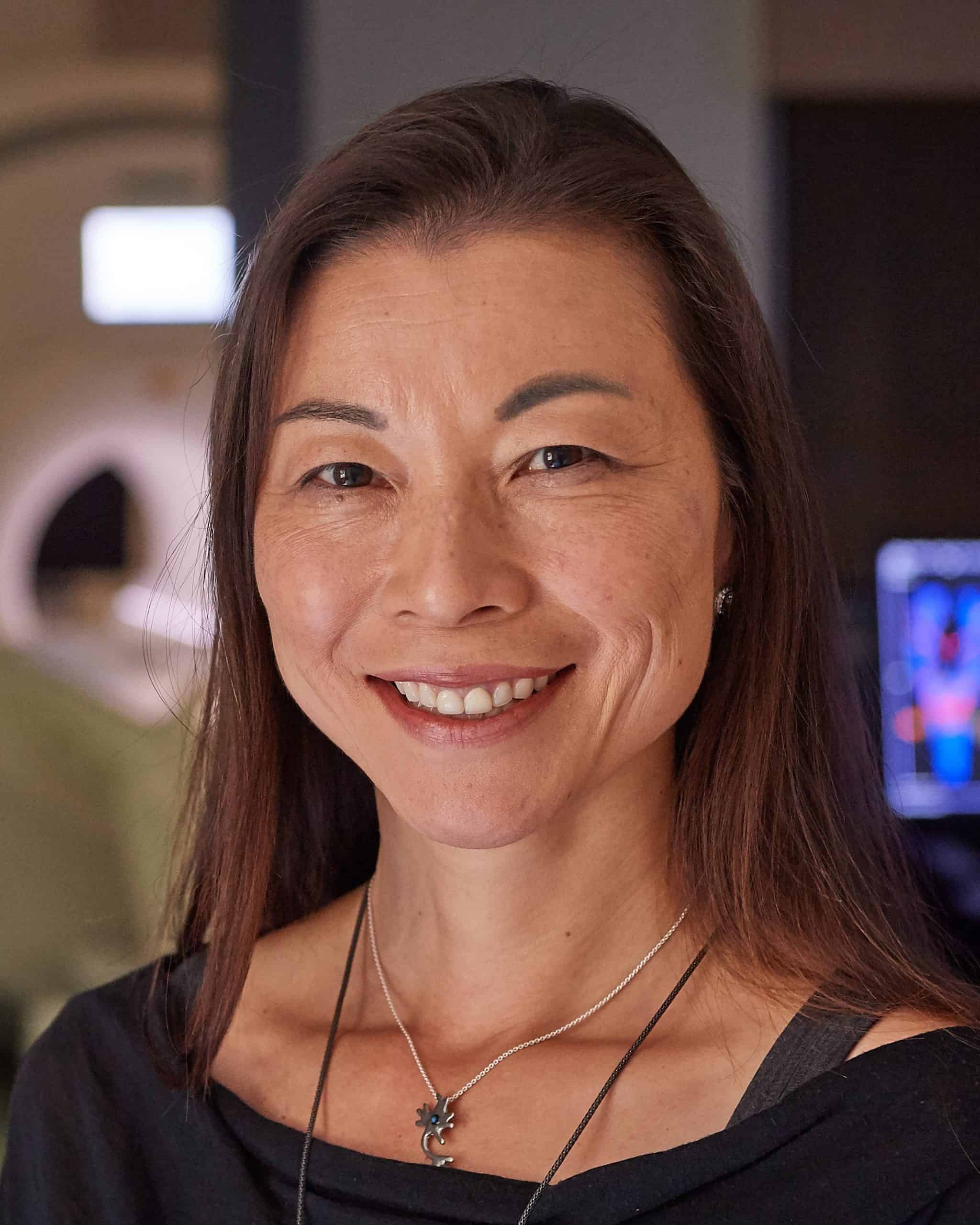
Yanchao Bi

Weaving Language and Vision in the Human Brain
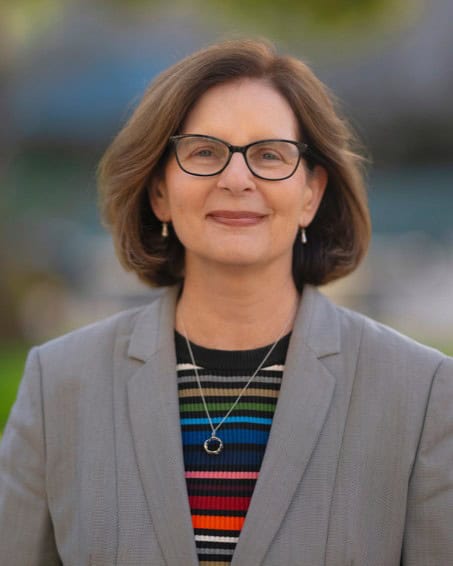
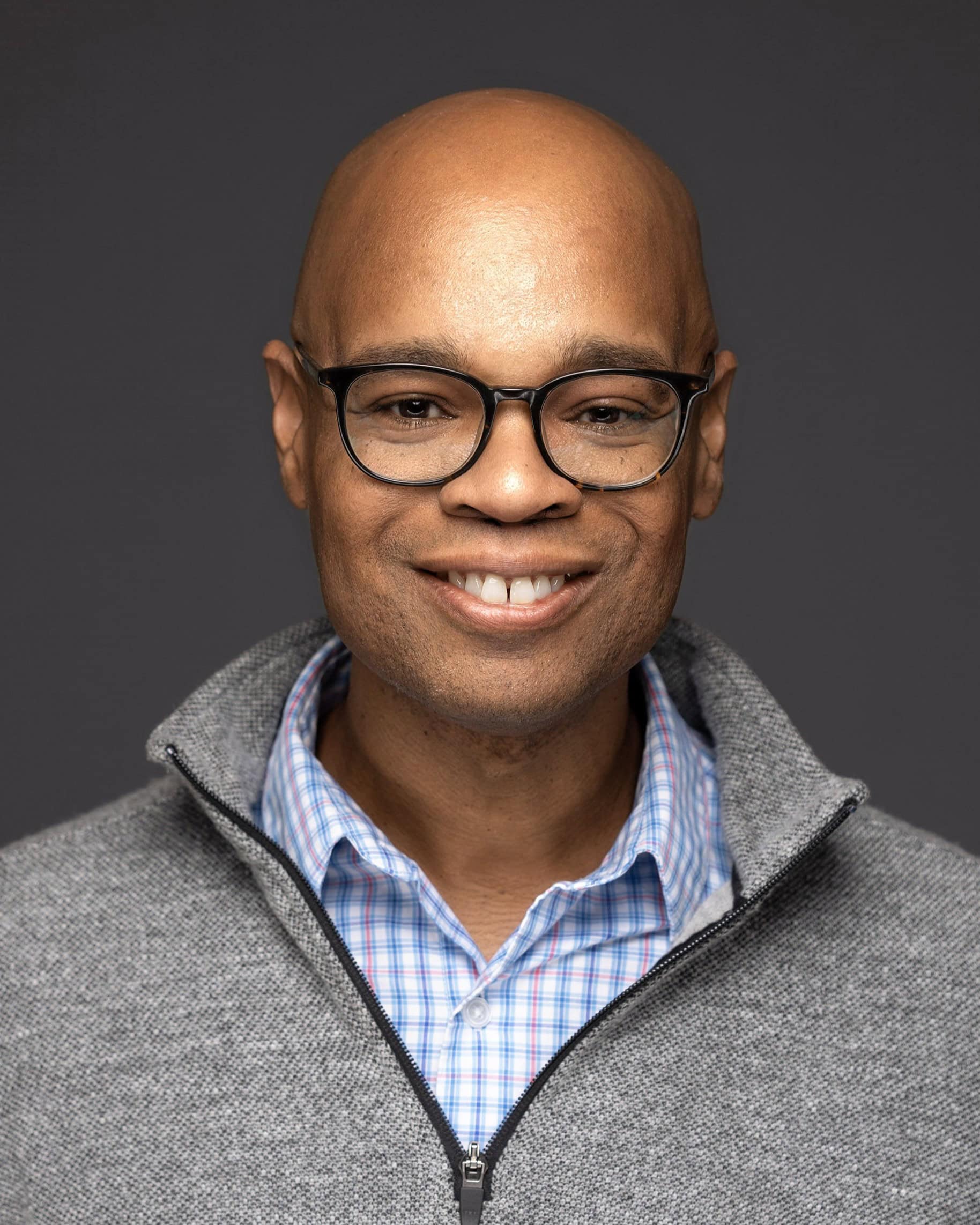
Speaker: Yanchao Bi, PhD, Peking University

Human semantic knowledge extends far beyond what can be learned from direct sensory experience. We know that birds descended from dinosaurs and that freedom differs from democracy, despite never perceiving such relations directly. How does the human brain acquire and represent such knowledge? In this talk, I will present evidence from populations with profoundly different sensory and language experiences, nonhuman primates, neuropsychological patients, and computational models. Together, these studies suggest that human semantic knowledge is supported by both sensory-grounded and language-mediated representations, which interact to shape how knowledge is acquired and organized in the brain. Beyond communication, language enables knowledge to extend beyond individual experience and may provide a neurocognitive foundation for cumulative human knowledge.

About Yanchao Bi

Yanchao Bi is a Boya professor in School of Psychological and Cognitive Sciences, IDG/McGovern Institute for Brain Research, and Institute for Artificial Intelligence, at Peking University. She received her PhD from the Department of Psychology, Harvard University, working on the cognitive process of language in the laboratory of Dr. Alfonso Caramazza. In 2006 she established her laboratory at Beijing Normal University and moved to Peking University in 2024. Her lab focuses on the study of functional and neural architecture associated with semantic memory, knowledge representation, and language processing, using cognitive psychology, cognitive neuroscience, multi-modal neuroimaging, computation modeling and other research methods.


SNL Account Login


Forgot Password?
Create an Account

News

2026 Membership is Open - Renew Now!

Meeting Registration is Open.

Symposium Submissions are Closed.

Abstract Submissions are Closed.

Board of Directors Election is Closed.

See Dates & Deadlines for other important dates.

Keynote Lecture: Carol Padden

Keynote Lecture: Carol Padden

©Genève Tourisme, Loris von Siebenthal

Carol Padden

Carol Padden

The multimodal potential of human languages

Sunday, September 14, 2025, 9:00 – 10:00 am, Elstad Auditorium

Speaker: Carol Padden, PhD., University of California, San Diego

The body of work on spoken language, gesture and sign language are starting to converge around understanding multimodality in language. A large part of what has driven this research in multimodality is a richer description of the diversity of sign languages around the world. Sign languages range from the very large, such as national sign languages that are used in different parts of the world such as American Sign Language but also sign languages in populous areas like India and throughout Africa. Sign languages can also be small or very small, such as those that have recently emerged in villages and families. Often described as “deaf sign languages”, the focus has been on how deafness drives the use and emergence of languages that rely on the visual modality. Less recognized is the role of hearing signers in sign language emergence and persistence. As members of the same communities where sign languages are used, their participation sustains language learning and use across generations of signers. Hearing speakers can and do use sign language, adding to the broad repertoire of expressive possibilities in human languages. This talk will discuss cases of sign language emergence around the world, ranging from families to villages and regions, which, taken together, demonstrate the inherently multimodal flexibility of human language.

About Carol Padden

Carol Padden joined the faculty at University of California, San Diego in the Department of Communication in 1983, after earning a Ph.D. from the university’s Department of Linguistics. She holds the Sanford I. Berman Chair in Language and Human Communication and has served as associate dean and faculty equity advisor in the School of Social Sciences from 2008 to 2013. In 2014, she became the Dean and leads a dynamic and highly ranked School spanning 11 academic departments and 5 interdisciplinary programs. Padden’s areas of research include language emergence and sign language structure. With her husband, Professor Tom Humphries, she is a co-author of 2 textbooks on American Sign Language and 2 books on deaf communities in the US. She is a Fellow of the Linguistic Society of America and the American Academy for the Advancement of Science. In 2010, she received a MacArthur Fellowship.

SNL Account Login


Forgot Password?
Create an Account

News

2026 Membership is Open - Renew Now!

Meeting Registration is Open.

Symposium Submissions are Closed.

Abstract Submissions are Closed.

Board of Directors Election is Closed.

See Dates & Deadlines for other important dates.

Keynote Lecture: Duane Watson

Keynote Lecture: Duane Watson

©Genève Tourisme, Loris von Siebenthal

Duane Watson

Duane WatsonUnderstanding the effect of language experience on language comprehension
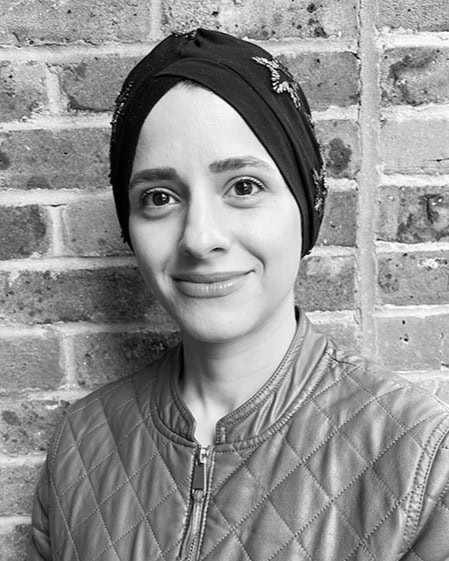
Sunday, September 14, 2025, 1:45 – 2:45 pm, Elstad Auditorium

Speaker: Duane Watson, PhD, Vanderbilt University

The language we experience every day is critical for language learning and vocabulary growth in children, as well as language use in adults. However, psycholinguists have traditionally measured language experience by aggregating over populations. In this talk, I will share experimental evidence suggesting that an individual’s specific experience with language is linked to their preferences for different constructions. By using natural language processing tools to analyze the linguistic properties of participants’ favorite websites, we compare effects of internet reading habits to effects of cognitive factors such as working memory and inhibitory control on reading difficulty.  Consistent with statistical models of language comprehension, we find that adults’ everyday language experiences, from digital media to linguistic dialects, predict language processing.

About Duane Watson

Duane Watson is the Vice Provost for Special Initiatives and the Frank W. Mayborn Chair of Psychology and Human Development at Vanderbilt University.  He received his doctorate in Cognitive Science from M.I.T.  Watson began his faculty career at the University of Illinois at Urbana-Champaign in 2005 and moved to the Department of Psychology and Human Development at Vanderbilt University in 2016.   Watson's research focuses on the cognitive processes that underlie human language production and comprehension. His most recent work explores the role of language experience on individual differences in language use. His research has been funded by both the National Institute of Health and the National Science Foundation.  Watson is a co-founder of the SPARK Society, a scholarly organization that supports historically marginalized groups in the brain and cognitive sciences.

SNL Account Login


Forgot Password?
Create an Account

News

2026 Membership is Open - Renew Now!

Meeting Registration is Open.

Symposium Submissions are Closed.

Abstract Submissions are Closed.

Board of Directors Election is Closed.

See Dates & Deadlines for other important dates.

Keynote Lecture: Fatemeh Geranmayeh

Keynote Lecture: Fatemeh Geranmayeh

©Genève Tourisme, Loris von Siebenthal

Fatemeh Geranmayeh

Fatemeh Geranmayeh

From models of language recovery after stroke to Large Language Models in stroke

Saturday, September 13, 2025, 2:00 – 3:00 pm, Elstad Auditorium

Speaker: Dr. Fatemeh Geranmayeh, Imperial College London

‘Language’ is a uniquely human faculty that not only distinguishes us from other species but also holds profound significance for individuals' identity, autonomy, and quality of life. Following a stroke, impairments in speech production and language comprehension are among the most devastating consequences, associated with poorer outcomes across virtually all post-stroke functional and quality of life measures. Understanding the organisation and recovery of speech and language has thus been a major research priority since the 19th-century foundational work of classical neuroanatomical figures.

Yet, studying language recovery remains challenging. Recovery trajectories are notoriously heterogeneous and unfold along multidimensional axes of language function. Moreover, because language function, and the broader neural architecture that supports it, is not localised but distributed, we must adopt a truly whole-brain approach to map recovery mechanisms effectively.

This calls for a reconceptualisation of how we measure and model speech production and language in the brain, particularly in the context of recovery. Whole-brain health approaches, coupled with scalable, high-resolution assessments of cognition and language, are essential. Digital cognitive tools now enable remote, longitudinal testing of language and cognition, and when combined with recent advances in automatic speech recognition, natural language processing, and large language models, promise to transform both our scientific understanding and research translation.

In this keynote, I will trace a scientific arc from traditional models of post-stroke language recovery to emerging applications of digital and computational technologies. I will discuss how integrating large-scale speech data with modern machine learning approaches may allow us not only to better characterise
language recovery but also to democratise research participation and increase equity in neuroscience.

About Fatemeh Geranmayeh

Dr. Fatemeh Geranmayeh is a Clinician Scientist at the Department of Brain Sciences, Imperial College London. She leads the Clinical Language & Cognition Group, focusing on post-stroke language and cognitive impairments, vascular dementia, and the deep cognitive and clinical phenotyping of patients with cerebrovascular disease. Dr. Geranmayeh's academic journey began in 2004 when she earned a First Class Honours BSc degree in Neuroscience, receiving the Goldberg-Schachmann and Freda Becker Award from the University of London. She completed her medical degree in 2006 and pursued a PhD under the mentorship of the late Professor Richard Wise, which she completed in 2015.

Her research employs advanced neuroimaging techniques to investigate the neural mechanisms underlying speech production recovery following acute stroke. In 2022, she initiated the IC3 study, a multimodal clinical study to track longitudinal cognitive and language recovery post-stroke, incorporating novel blood biomarkers, brain imaging, and automated speech recognition and cognitive assessments.

In addition to her research, Dr. Geranmayeh is a practicing neurology consultant, running a specialist vascular cognitive clinic, and co-Director of the Alzheimer's Society VIDA (Vascular and Immune contributors to DementiA) Doctoral Training Centre.


Keynote Sponsor:


SNL Account Login


Forgot Password?
Create an Account

News

2026 Membership is Open - Renew Now!

Meeting Registration is Open.

Symposium Submissions are Closed.

Abstract Submissions are Closed.

Board of Directors Election is Closed.

See Dates & Deadlines for other important dates.

Keynote Lecture: Fumiko Hoeft

Keynote Lecture: Fumiko Hoeft

©Genève Tourisme, Loris von Siebenthal

Fumiko Hoeft

Fumiko Hoeft, MD, PhD

Integrating Neural Noise and Neuroinflammatory Hypotheses: Exploring the Comorbidity of Dyslexia, Depression, and Stress

Friday, September 12, 2025, 9:00 – 10:00 am, Elstad Auditorium

Speaker: Fumiko Hoeft, MD, PhD, University of Connecticut

Recent advancements in our understanding of dyslexia have highlighted the complex interplay between neurobiological mechanisms and comorbid conditions such as depression and stress. The Neural Noise Hypothesis (NNH) of dyslexia proposes that dysregulated neural activity, characterized by excessive glutamatergic neurotransmission, leads to the disrupted auditory and visual processing that typifies this learning disorder. Concurrently, emerging research suggests that these neural irregularities may overlap with pathways involved in stress and depression, pointing to a shared neurobiological foundation.

This presentation explores the synthesis of the NNH with recent findings on the role of neuroinflammation in dyslexia and its comorbidities. Building on our foundational work (Hancock, Pugh, and Hoeft, TiCS. 2017), and integrating recent insights into stress and mood disorders from neuroimaging studies, we propose a model where dyslexia-related neural noise may exacerbate susceptibility to depression through neuroinflammatory pathways. This model is supported by recent research by Lasnick and Hoeft (Front Hum Neurosci. 2023), which provides compelling evidence of altered neural connectivity in regions critical for emotional and stress regulation in individuals with dyslexia.

Furthermore, this talk will delve into how environmental stressors and individual resilience factors contribute to the variability in dyslexia presentations, particularly focusing on how these elements interact with neurobiological mechanisms to influence the severity and range of comorbid symptoms. By bridging gaps between disparate research domains, we aim to foster a more comprehensive understanding of dyslexia that acknowledges its potential as a multisystem disorder with significant neurobiological and psychosocial dimensions.

This integrated approach sets the stage for discussing potential interventions that target these overlapping pathways, offering hope for more effective treatments that address both the core symptoms of dyslexia and its common comorbidities.

About Fumiko Hoeft

Fumiko Hoeft, MD, PhD is the Campus Dean and Chief Administrative Officer of the University of Connecticut Waterbury Campus and a Professor in Psychological Sciences, Computer Science and Engineering, Educational Psychology, Mathematics, Neuroscience, Psychiatry, and Pediatrics at UConn,. She co-founded the Haskins Global Literacy Hub, which is now a collaborative partnership with Yale Child Study Center.

A leading researcher in the neuroscience of learning, she has studied reading acquisition, dyslexia, resilience, and emotional well-being for over 22 years. Initially trained as a physician in psychiatry, emergency medicine, and internal medicine, she later pursued research at Harvard, UCLA, Caltech, and Stanford, holding faculty positions at Stanford and UCSF before joining UConn in 2018.

Dr. Hoeft currently has over $15 million in research funding as Principal Investigator, with support from NIH, NSF, USDA, and the Oak Foundation.

Her work has earned numerous honors, including awards from the International Dyslexia Association (IDA; Geschwind: 2014, Orton: 2022), Learning & the Brain Foundation (2015), International Mind, Brain & Education Society (IMBES; 2018), Society for Neuroscience (SfN; 2018), and the Connecticut Technology Council (2024), and is a nominee of the MacArthur “Genius”Award (2025). Many of these recognize her contributions to research, public engagement, and innovation in higher education.

Dr. Hoeft has published almost 200 peer-reviewed scientific articles, reviews, and book chapters and has delivered more than 300 keynotes, talks, and workshops at schools, international conferences, TEDx, and the White House. Her research has been widely featured in The New York Times, NPR, CNN, The New Yorker, and Scientific American.


Keynote Sponsor:


SNL Account Login


Forgot Password?
Create an Account

News

2026 Membership is Open - Renew Now!

Meeting Registration is Open.

Symposium Submissions are Closed.

Abstract Submissions are Closed.

Board of Directors Election is Closed.

See Dates & Deadlines for other important dates.

©2026 Society for the Neurobiology of Language #SNL2026